The Journey of Snowflakes and Their Impact on Southwestern Ontario
January 1, 2026 at 7:59:00 p.m.
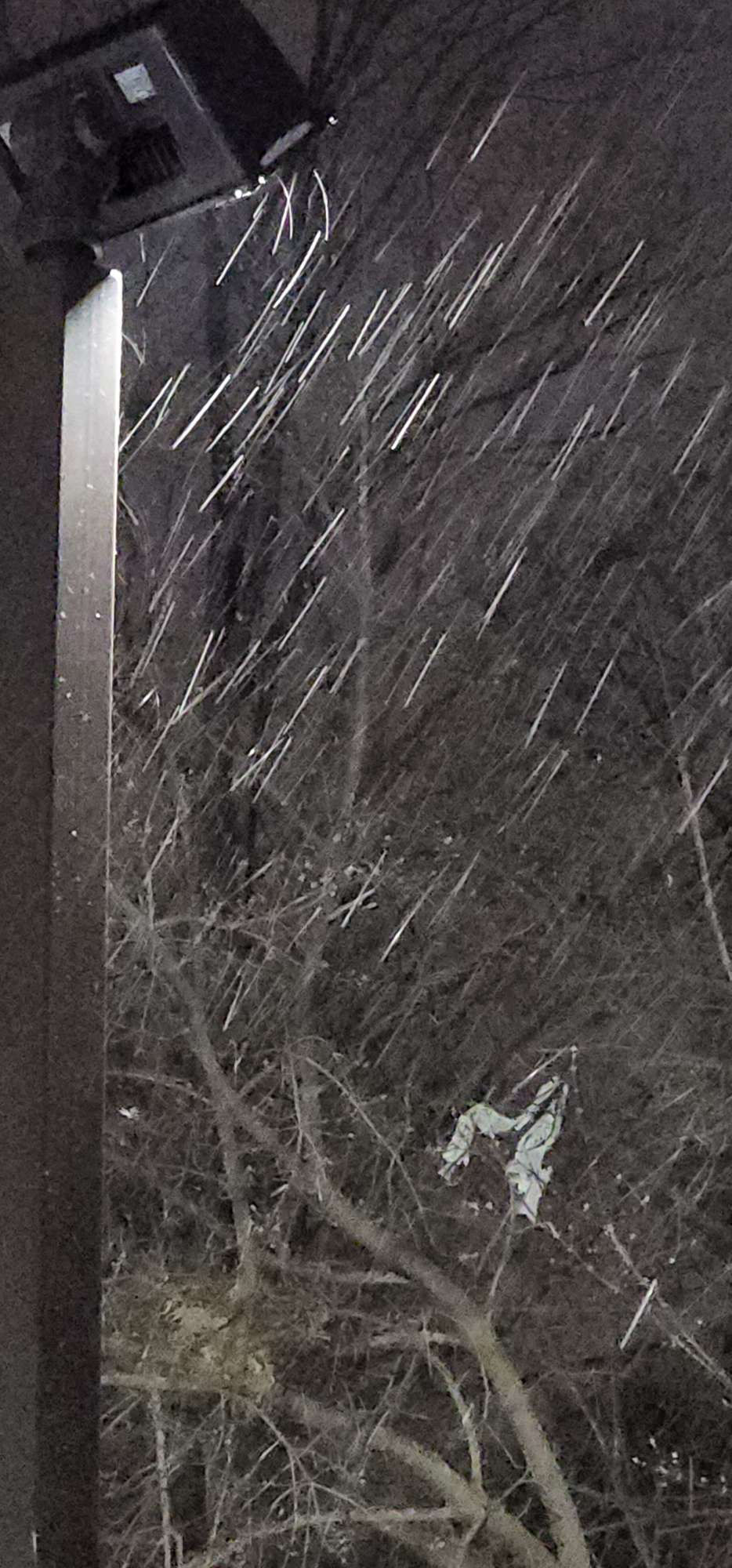
Winter in Southwestern Ontario is a season of beauty and wonder, but it also brings its fair share of challenges.
Snowflakes, those delicate ice crystals that captivate us with their intricate designs, play a significant role in shaping the winter landscape.
However, their transformation into snow and the accompanying weather conditions can create hazardous situations for residents and motorists alike.
This blog explores how snowflakes form, the unique weather phenomena in Southwestern Ontario, and the dangers they pose.
### **How Snowflakes Become Snowflakes**
Snowflakes begin their journey high in the atmosphere as tiny water droplets.
When the temperature drops below freezing, these droplets freeze around a particle of dust or pollen, forming an ice crystal.
As the crystal falls through the clouds, it collects more water vapor, which freezes and adds to its structure.
The result is the stunning, six-sided snowflake we all recognize.
Each snowflake is unique, shaped by the temperature and humidity of the air it passes through.
When millions of these snowflakes come together, they create the snowfalls that blanket our region during the winter months.
### **The Havoc They Cause in Southwestern Ontario**
While snowflakes themselves are harmless, the weather conditions they contribute to can be treacherous.
Southwestern Ontario is no stranger to severe winter weather, including snow squalls, freezing rain, and black ice.
These phenomena can turn a picturesque winter day into a dangerous ordeal.
#### **Snow Squalls**
Snow squalls are intense bursts of heavy snow and strong winds.
They can reduce visibility to near zero in a matter of seconds, making driving extremely hazardous.
Motorists caught in a snow squall may find themselves unable to see the road ahead, increasing the risk of accidents.
#### **Freezing Rain**
Freezing rain occurs when raindrops fall through a layer of cold air near the ground and freeze upon contact with surfaces.
This creates a layer of ice on roads, sidewalks, and vehicles.
Freezing rain can make driving and walking incredibly dangerous, as even a small amount of ice can cause vehicles to lose traction.
#### **Black Ice**
Black ice is a thin, nearly invisible layer of ice that forms on roadways.
It often appears in shaded areas or on bridges and overpasses, where the surface temperature is lower.
Black ice is particularly dangerous because it is difficult to see, and drivers may not realize they are on it until it is too late.
### **Staying Safe This Winter**
To protect yourself and others during the winter months, it’s essential to stay informed and prepared.
Here are some tips for staying safe in Southwestern Ontario’s winter weather:
- **Check the forecast:** Stay updated on weather conditions and warnings before heading out.
- **Drive cautiously:** Reduce your speed and increase your following distance when driving in snow or icy conditions.
- **Equip your vehicle:** Use winter tires and keep an emergency kit in your car, including blankets, a flashlight, and non-perishable food.
- **Stay visible:** Use your headlights in low-visibility conditions, even during the day.
- **Avoid unnecessary travel:** If the weather is severe, consider postponing your trip until conditions improve.
### **Conclusion**
Snowflakes are a beautiful reminder of nature’s artistry, but they also serve as a warning of the challenges winter can bring. By understanding how snowflakes form and the dangers of snow squalls, freezing rain, and black ice, we can take steps to stay safe and enjoy the season responsibly. Whether you’re a resident or a motorist in Southwestern Ontario, being prepared and cautious can make all the difference.
Stay safe this winter, and remember to respect the power of nature.