SCOTT CREEK, PORTSMOUTH, VIRGINIA, U.S.A.
Scott Creek is more significant to Portsmouth than its relatively small size might suggest. It is a **tidal tributary of the Elizabeth River**, and its location has connected it to Portsmouth's residential development, maritime activity, floodplain, and natural environment.
### Scott Creek's significance
**1. It is part of Portsmouth's larger water system.**
Scott Creek is one of several creeks that flow into the Elizabeth River. The Elizabeth River forms a major part of the Hampton Roads harbor system, connecting Portsmouth and Norfolk with the Chesapeake Bay and the Atlantic Ocean. ([Wikipedia][1])
That makes Scott Creek part of a much larger chain of waterways: **Scott Creek → Elizabeth River → Hampton Roads → Chesapeake Bay → Atlantic Ocean.**
**2. It has historical importance to Portsmouth's development.**
Scott Creek helped define the western edge of areas that later became important Portsmouth neighborhoods. Virginia's Department of Historic Resources notes that the land that became the western part of the Park View Historic District was historically bounded by **Scott's Creek on the west and the Elizabeth River on the north**. ([Virginia Historic Resources][2])
The creek also appears in Portsmouth's historical boundary records. A nineteenth-century city expansion incorporated territory extending to the channel of Scott's Creek, demonstrating that the waterway was used as a recognizable geographic boundary. ([LDS Genealogy][3])
**3. It has maritime significance.**
Scott Creek provides sheltered water connected to the Elizabeth River and has long supported recreational and working waterfront activities. Today, for example, Scott's Creek Marina provides access to the Elizabeth River and accommodates recreational boats. ([BoatUS][4])
This fits Portsmouth's broader identity as a maritime city. The Elizabeth River has supported commercial shipping, naval operations, shipbuilding, and recreation for centuries. ([Wikipedia][1])
**4. It is environmentally important.**
Perhaps the most interesting modern significance of Scott Creek is ecological. The Elizabeth River system has been undergoing environmental restoration, and scientific surveys have documented surprisingly diverse marine life. The Elizabeth River Project reports that researchers found **33 fish species** in their surveys and confirmed that the Elizabeth River serves as nursery habitat for juvenile American shad and blueback herring. ([Elizabeth River Project][5])
Even more remarkably, a **lined seahorse was documented near Scott's Creek in 2022**, along with other marine life. ([Elizabeth River Project][5])
**5. Scott Creek also illustrates Portsmouth's relationship with flooding and low-lying coastal land.**
Because Portsmouth sits in a low-lying coastal environment, Scott Creek is also relevant to flood management. Federal flood documentation identifies **Scott Creek as a flooding source** for portions of the city. ([Portsmouth VA][6])
### Why it matters to someone photographing Portsmouth
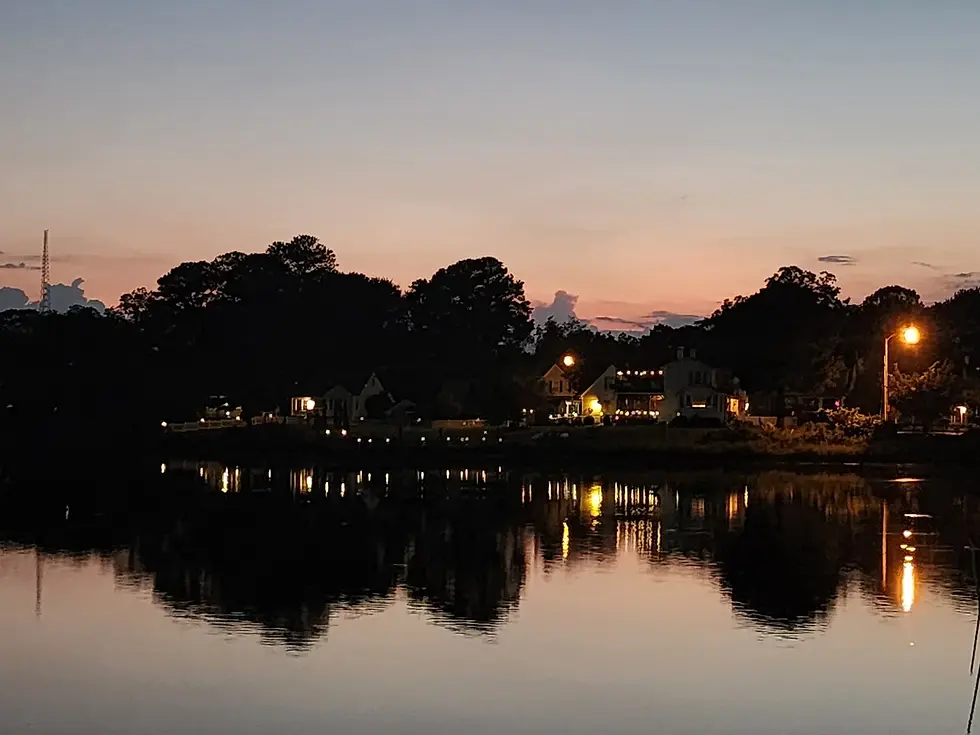
Scott Creek offers something that Portsmouth's larger waterfront cannot always provide: **a quieter, more intimate view of the city's relationship with water**. Its marshes, tidal waters, birds, reflections, changing skies, and connection to the Elizabeth River make it an excellent setting for nature photography.
In that sense, Scott Creek is more than a creek. It is a small piece of Portsmouth's **history, geography, ecology, and maritime identity**—a place where the city's urban story meets the natural world.
And for a sunrise or sunset photographer, that combination is pretty special. The waterway can turn a familiar Portsmouth landscape into something completely different with every tide and every change in light.
[object Object], [object Object], [object Object], [object Object], [object Object], [object Object], [object Object], [object Object], [object Object], [object Object], [object Object], [object Object], [object Object], [object Object], [object Object], [object Object], [object Object]